Commercial Waste Systems Built for Code and Performance
Specialty Waste & Ejector Systems in Salt Lake City for properties with grease interceptors, ejector pumps, or below-grade drainage needs
777 Contractors, LLC installs and repairs sewer ejector pumps, grease interceptors, and specialty waste systems for commercial and residential properties in Salt Lake City. You need these systems when waste must be pumped upward to reach the sewer main, or when grease must be captured before entering the public sewer. Whether you operate a commercial kitchen, manage a property with below-grade plumbing, or face a failing ejector system that causes backups, this service restores proper waste flow and protects your property from code violations and damage.
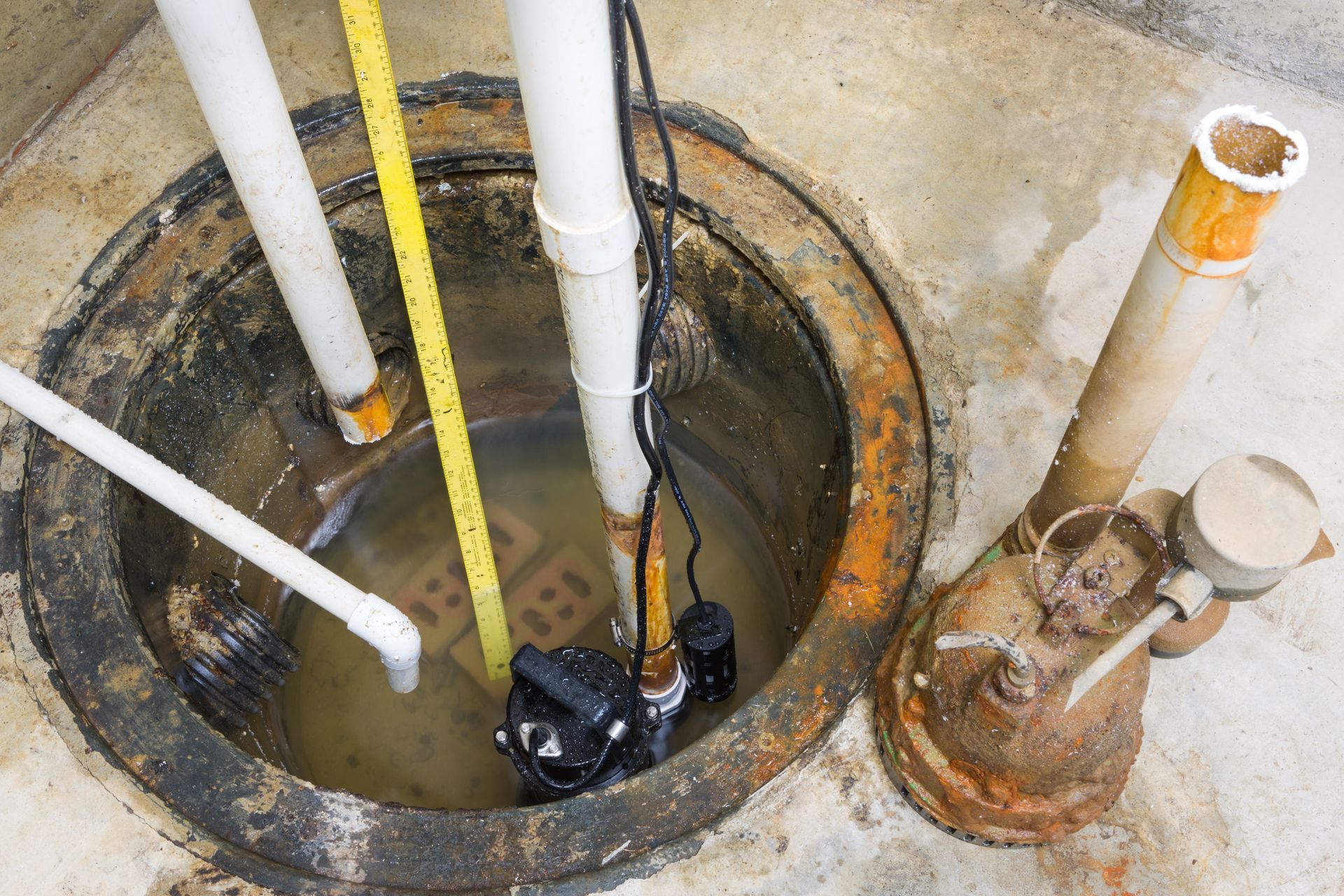
Specialty waste systems handle situations where gravity drainage is not possible or where waste characteristics require pre-treatment. Sewer ejector pumps move wastewater from basement bathrooms, laundry rooms, or other low fixtures up to the building's main drain line. Grease interceptors capture fats, oils, and grease from commercial kitchen sinks before they solidify in the sewer system and cause blockages or regulatory problems. Installation involves placing the pump or interceptor at the correct elevation, connecting inlet and discharge piping, ensuring proper venting, and testing the system under realistic flow conditions. Repairs address pump failures, clogged interceptors, broken check valves, and piping leaks that allow sewage to back up or escape.
If your property needs a new ejector system or your grease interceptor is not functioning correctly, 777 Contractors, LLC can provide a clear assessment and reliable installation or repair.
Why Specialty Waste Systems Require Careful Installation
These systems depend on correct sizing, proper venting, and reliable pump selection to function without frequent service calls. You will see careful attention to the interceptor's capacity based on fixture unit count, pump horsepower matched to lift height and flow rate, and float switches positioned to activate the pump before waste reaches overflow levels. The crew uses PVC or cast iron piping depending on code and application, installs unions for future service access, and ensures that all electrical connections are waterproof and code-compliant.
Once the system is operational, you will notice waste flows smoothly without backups, odors, or pump cycling problems. 777 Contractors, LLC provides clear maintenance guidance so you know when to pump out grease interceptors, how to recognize early signs of pump wear, and what routine checks prevent emergency failures. Your system will meet health department and plumbing code requirements and provide years of reliable service when maintained properly.
This service does not include ongoing maintenance contracts or waste hauling services. If your system requires frequent repairs due to misuse, such as disposing of prohibited materials in a grease interceptor, the underlying behavior must change for the system to remain functional. Retrofitting older buildings with complex below-grade layouts may require engineering review before installation begins.
What Property Owners Ask About Ejector and Grease Systems
Specialty waste systems are often misunderstood, and property owners want to know what causes failures and how to avoid recurring problems. These answers provide practical guidance for maintaining reliable waste flow.
What causes ejector pumps to fail?
Pumps fail when they run dry due to incorrect float settings, when they clog with solid waste that should not enter the system, or when electrical components corrode from moisture exposure over time.
How often does a grease interceptor need cleaning?
Cleaning frequency depends on the volume of grease-laden wastewater produced, but most commercial kitchens in Salt Lake City need service every one to three months to prevent blockages and stay compliant with local regulations.
Why does my ejector system smell?
Odor indicates poor venting, a broken seal at the basin lid, or waste sitting too long in the basin before the pump activates, and correcting the issue usually involves adjusting float settings or adding proper vent piping.
When should I replace an ejector pump instead of repairing it?
Replacement makes sense when the pump is more than ten years old, has failed multiple times, or shows signs of internal corrosion that will cause another failure soon after repair.
How does grease affect the sewer system?
Grease cools and solidifies in pipes, creating blockages that cause backups and expensive sewer line repairs, which is why commercial kitchens are required to install interceptors that capture grease before it enters the public system.
For new installations or repairs of ejector pumps and grease systems, 777 Contractors, LLC can design a solution that fits your property's needs and provide the maintenance information you need to keep the system working correctly.