Reliable Underground Utility Placement for Development Projects
Underground Utility Installation in Salt Lake City for new construction sites and property developments requiring water, sewer, or gas infrastructure
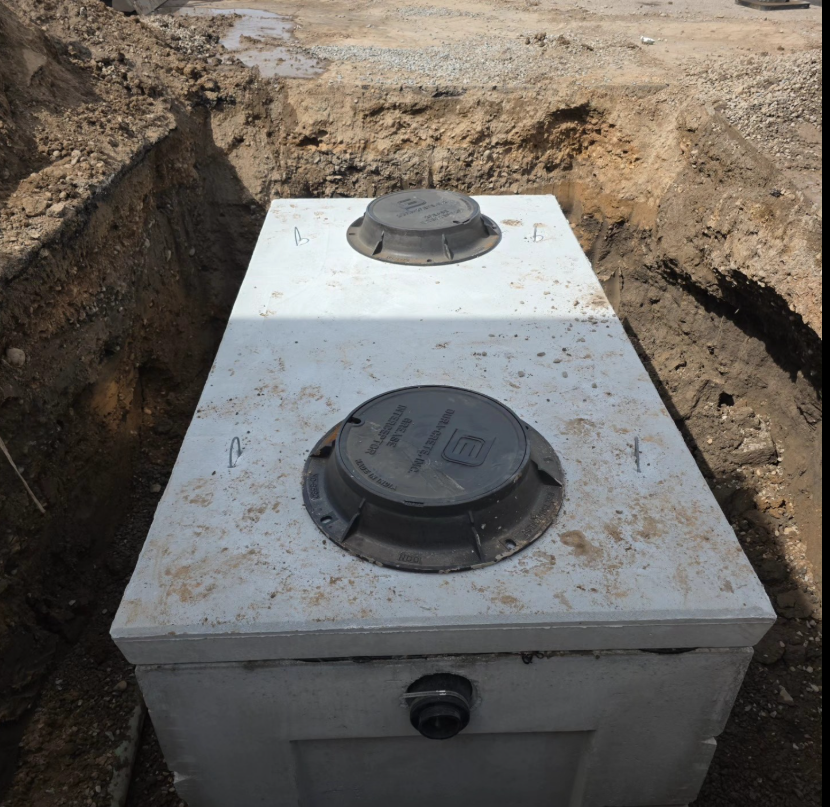
777 Contractors, LLC handles underground utility installation for residential developments, commercial projects, and site work throughout Salt Lake City. You need water, sewer, and gas lines placed correctly before vertical construction begins, and this service coordinates excavation, trenching, and line placement to meet engineering plans and inspection requirements. Whether you are developing a multi-lot subdivision, adding infrastructure for a commercial building, or connecting a new structure to existing mains, this work establishes the underground systems that support the property for decades.
Underground utility installation involves interpreting site plans, marking existing utilities to avoid conflicts, excavating trenches to specified depths and grades, and placing water lines, sewer lines, and gas piping according to engineered layouts. Each utility type has different depth requirements, separation distances, and bedding materials to prevent settling or damage. The crew manages compaction testing, coordinates with inspectors at each phase, and ensures that all lines are pressure tested or visually confirmed before backfill. Site conditions in Salt Lake City often include rocky soil and high water tables in certain areas, which affect excavation methods and trench stability.
If your project requires underground utility installation, 777 Contractors, LLC can review the plans and coordinate the work to keep your schedule on track.
What Happens During Underground Utility Construction
The process starts with utility locates and site preparation, followed by excavation using trackhoes or trenchers depending on depth and soil type. You will see trenches opened in phases, with each utility installed, inspected, and partially backfilled before the next phase begins. Crews use laser levels to maintain proper slope for gravity sewer lines, install thrust blocks at pipe bends to prevent movement, and compact backfill in lifts to prevent future settling under paved surfaces or building foundations.
After installation, your site will have functional water, sewer, and gas connections ready for final hookup to individual structures. 777 Contractors, LLC ensures that all lines are clearly marked, inspection records are complete, and the surface is graded to allow for final paving or landscaping. The infrastructure will support the property's long-term needs without leaks, blockages, or code violations.
This service does not include final appliance connections, interior plumbing, or landscaping restoration beyond rough grading. If your project involves unusual soil conditions, contaminated material, or utility conflicts, additional engineering or permit adjustments may be required before work proceeds.
Common Questions About Underground Utility Projects
Underground utility work involves coordination, testing, and attention to code requirements that vary depending on the type of development and local regulations. These answers address key concerns for property owners and developers.
What is the typical depth for underground utilities?
Water lines are usually buried at least 36 inches to stay below frost depth, sewer lines are placed at depths that allow gravity flow to the main, and gas lines follow code minimums that depend on location and pipe material.
How do you avoid damaging existing utilities?
Before excavation begins, all existing utilities are located using electronic detection and hand digging near marked areas, and the crew adjusts trench routes if conflicts are discovered during the process.
Why does soil type matter?
Rocky or clay-heavy soil requires different excavation equipment and affects how trenches are stabilized, while sandy or loose soil needs careful compaction to prevent settling after backfill is placed.
When do inspections happen?
Inspections occur after each utility type is installed and before backfill covers the lines, so timing depends on inspector availability and how quickly each phase is completed.
How does this work fit into the overall construction schedule in Salt Lake City?
Underground utilities are installed early in the project timeline after grading is complete and before foundations are poured, so delays in utility installation can affect every downstream task.
For new developments or site utility work, 777 Contractors, LLC can coordinate excavation, installation, and inspection to keep your project moving forward without unnecessary delays or code issues.